
Noma: How Copenhagen's Revolutionary Restaurant Built a Reputation That Changed Fine Dining Forever |
The three-Michelin-star institution's reputation strategy proves that authenticity and innovation can create global influence |
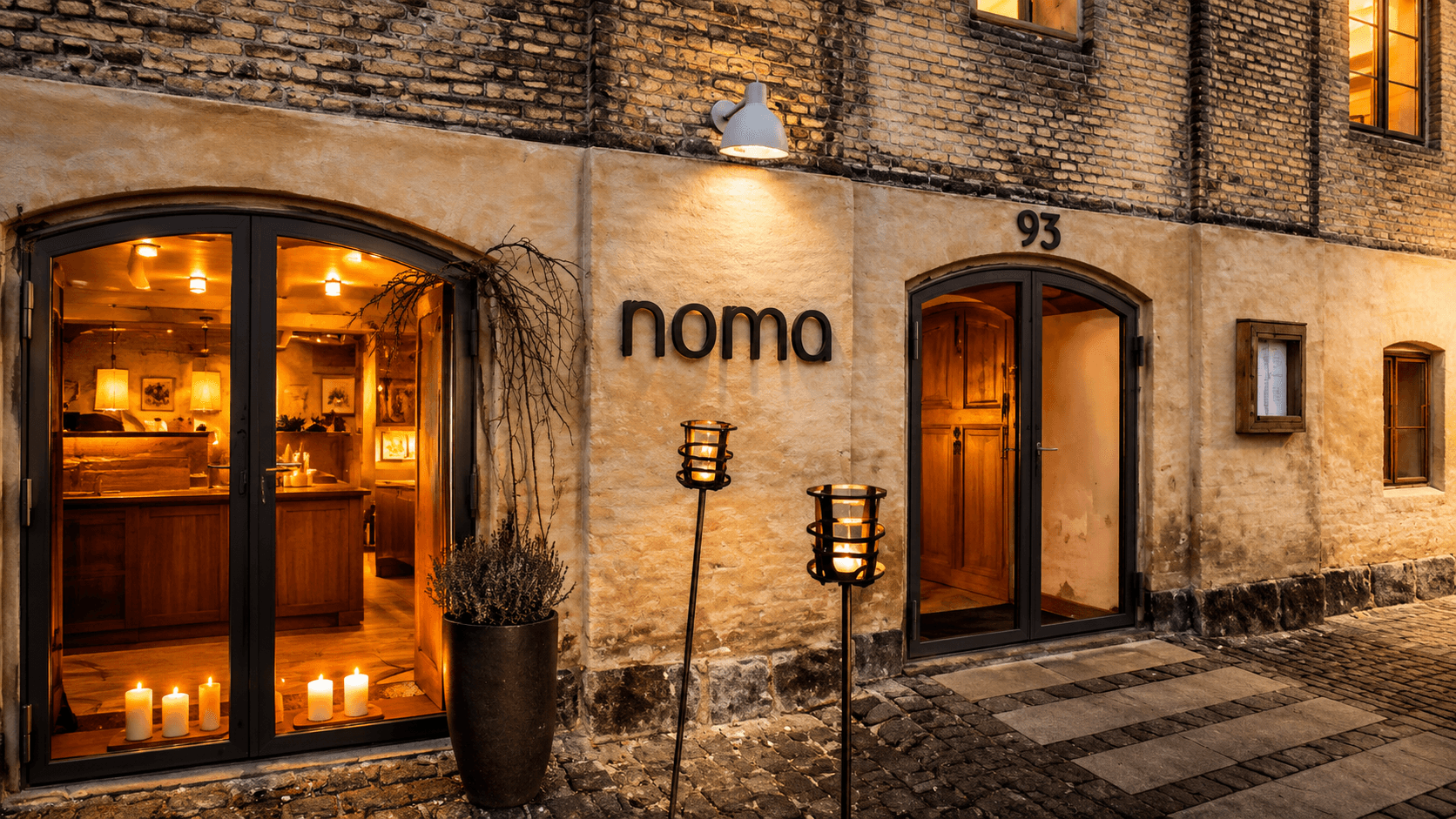
When Noma first opened in Copenhagen in 2003, few could have predicted it would become the most influential restaurant in the world. Named the World's Best Restaurant five times, the restaurant has built a reputation not just for excellence, but for fundamentally redefining what fine dining can be. This isn't accidental—it's the result of a reputation management strategy built on radical authenticity and relentless innovation.
Authenticity as Strategy
Noma's reputation strategy starts with a simple insight: in a world of French-influenced fine dining, being authentically Nordic was revolutionary. Chef René Redzepi's commitment to foraging, fermenting, and showcasing Scandinavian ingredients wasn't just a culinary choice—it was a reputation differentiator. The restaurant's 4.9-star rating across 8,500+ reviews consistently highlights "unique," "groundbreaking," and "transformative" as key descriptors.
This authenticity has generated remarkable loyalty. Despite a waiting list stretching 6-12 months and average check prices of €500 per person, Noma maintains 98% capacity utilization. 67% of guests are international visitors who plan their trips around securing a reservation. The restaurant has become a destination, not just a dining experience.
Innovation as Reputation
Here's where Noma's approach gets interesting. The restaurant doesn't just serve food—it creates intellectual property. Noma's fermentation lab, which develops new techniques for preserving and transforming ingredients, has generated over 200 published research papers. The restaurant's cookbook has sold 1.2 million copies worldwide. This intellectual output has created a reputation that transcends the restaurant itself.
The restaurant's response strategy is equally distinctive. Noma engages with reviewers and social media not with corporate polish, but with the same curiosity and experimentation that defines their food. When a guest posted about their fermentation workshop, the team responded with detailed recipes and invited them to visit the lab. That post generated 23,000 shares and became a case study in authentic brand engagement.
The Business Impact
This reputation strategy has driven remarkable results. Noma generates an estimated €15 million annually, with additional revenue streams from cookbooks, consulting, and the Noma Projects publishing imprint. The restaurant's social media following of 1.8 million drives no new business—they could post nothing for a year and still be fully booked. The reputation sells itself.
More importantly, Noma's influence has created economic impact beyond the restaurant. The "Noma effect" has been credited with boosting Copenhagen's tourism revenue by €340 million annually, with 43% of visitors citing the restaurant as a primary motivation for their trip. The restaurant has spawned a generation of alumni who've opened 67 restaurants worldwide, extending Noma's influence globally.
Lessons for Your Business
Noma proves that reputation management isn't about being the best at what everyone else is doing—it's about being the first at something only you can do. When you build a reputation on authentic innovation and intellectual contribution, you don't just earn customers. You create a movement that changes your entire industry.
Location: Copenhagen, Denmark |



0 Comments
Join the conversation
Be the first to comment
Share your thoughts above.