
Why Online Reviews Matter More Than Ever for Local Business in 2026 |
Reputation has moved from a marketing nicety to a core business asset — the reviews customers read decide who gets the call |
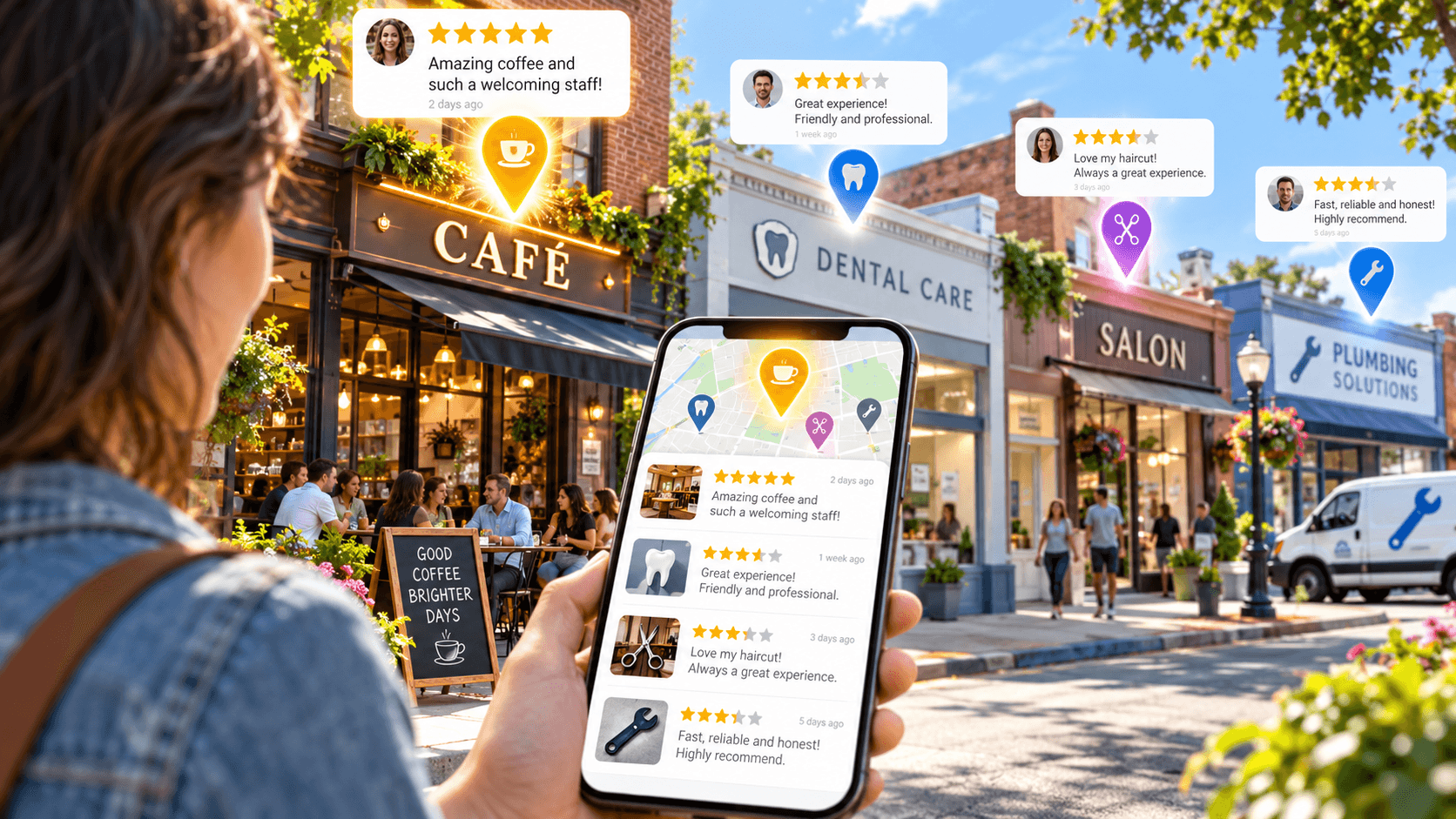
A decade ago, online reviews were one input among many in a customer's decision. In 2026, they are often the decision. Before calling a plumber, booking a dentist, or choosing a restaurant, customers read reviews — and what they find shapes their choice before a business ever gets a chance to make an impression. For local businesses, understanding this shift is no longer optional.
Reviews Drive Local Discovery
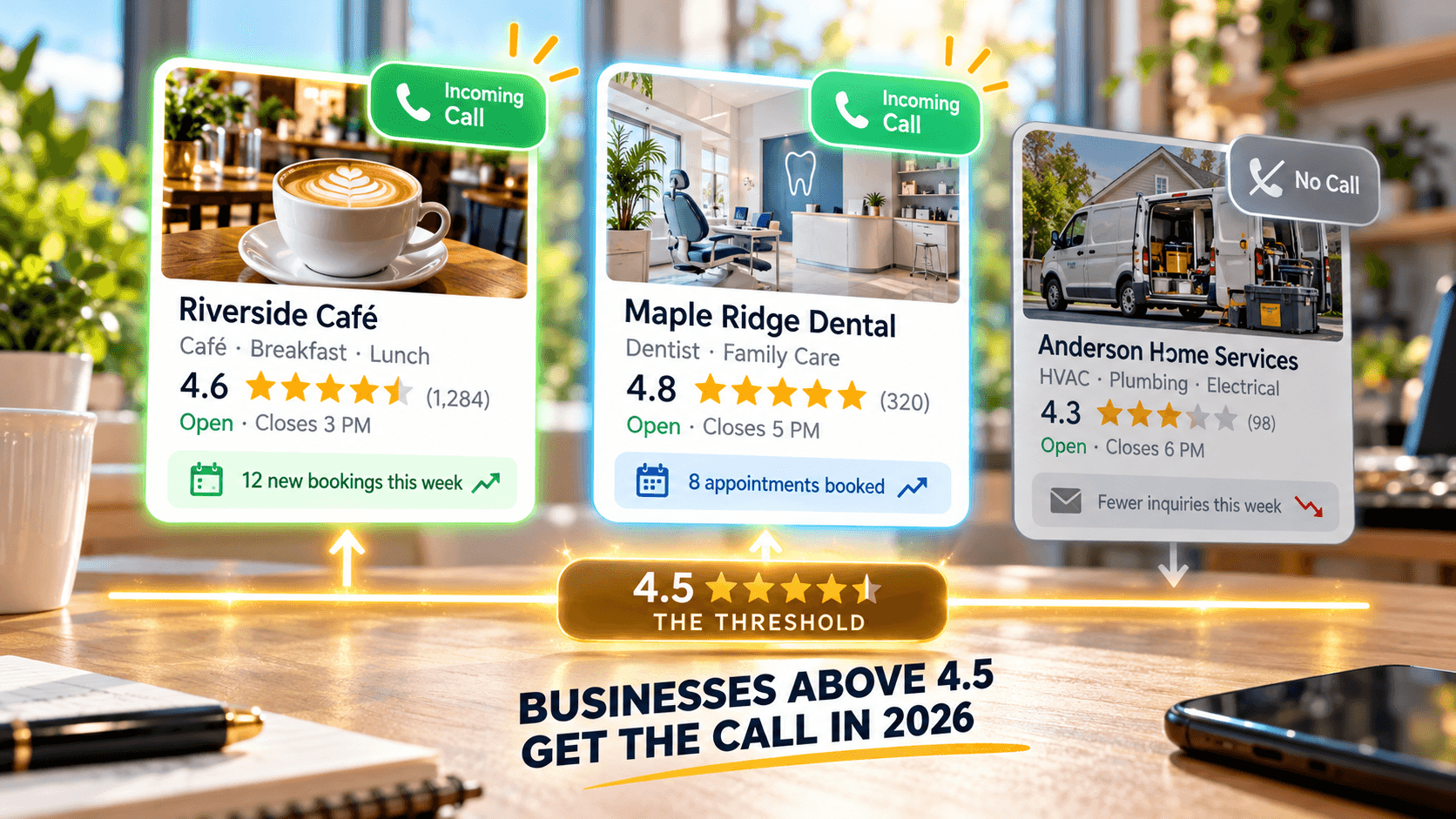
Local search results and map listings lean heavily on reputation signals. Businesses with higher ratings, more reviews, and fresher feedback tend to appear more prominently when someone searches nearby. That means reviews don't just persuade the people who find you — they help determine whether they find you at all. Reputation and visibility are now tightly linked.
Trust Is the Real Currency
Customers have learned to discount advertising and weigh peer experience more heavily. A handful of recent, detailed reviews reads as more credible than any polished claim on a website. For a business with no reviews, or with reviews that stopped years ago, the silence itself becomes a red flag. Social proof is doing the work that word of mouth once did — only it is public, permanent, and searchable.
Reviews Compound Over Time
Reputation behaves like interest. Each positive review makes the next customer more likely to choose you, generating more customers, more reviews, and a stronger position in local search. The inverse is also true: unanswered negative reviews left to sit can drag down both perception and ranking, and the damage grows the longer it goes unaddressed. Momentum matters in either direction.
Where Businesses Fall Behind
Most local businesses know reviews matter, but few manage them deliberately. Common gaps include never asking for reviews, asking inconsistently, failing to respond to feedback, and having no way to see across multiple platforms what customers are saying. Each gap leaves reputation to chance — and reputation left to chance tends to drift downward precisely when a business is busy and least attentive to it.
Managing Reputation Systematically
The fix is to treat reputation like any other operational process. Ask for reviews consistently at the right moment, make leaving one effortless, respond to feedback promptly, and track your rating and volume over time. Alongside those habits, tools have matured quickly: platforms for AI reputation management system to build 5-star reviews can automate requests, route customers to the right platform, and consolidate feedback from across the web into one view so nothing slips through.
Reputation as a Growth Engine
When managed well, reviews stop being something that happens to a business and become something the business runs. They lift visibility, convert more of the traffic you already have, and compound into a durable advantage. In a crowded local market, that advantage is often the difference between being found and being passed over. Treating reputation as a core asset — not an afterthought — is what separates the businesses that thrive in 2026 from the ones that quietly get outranked.
For more reputation and local marketing insights, visit ReputationShowcase.com.
|



0 Comments
Join the conversation
Be the first to comment
Share your thoughts above.