
The Fat Duck: How Heston Blumenthal Built a Reputation on Multi-Sensory Innovation |
The three-Michelin-star restaurant's reputation strategy proves that scientific curiosity can create unforgettable dining |
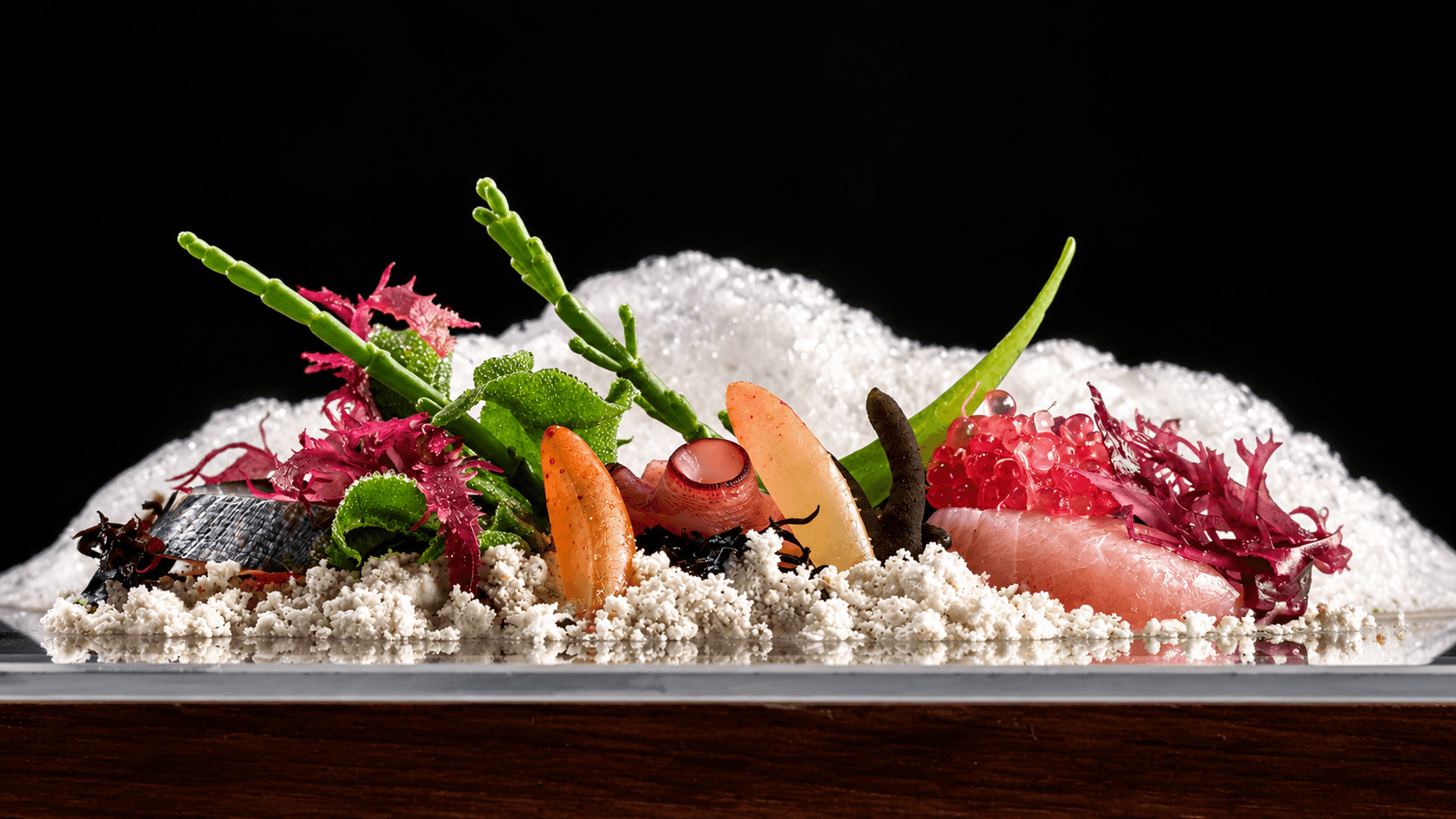
When The Fat Duck first opened in the small village of Bray, England, few could have predicted it would become one of the most influential restaurants in the world. Chef Heston Blumenthal's approach—combining molecular gastronomy with multi-sensory experiences—has built a reputation so strong that diners travel from across the globe for a meal that costs £395 per person. This isn't just about unusual food; it's the result of a reputation management strategy built on scientific rigor and emotional storytelling.
Science as Storytelling
The Fat Duck's reputation strategy starts with a simple insight: in a world of traditional fine dining, scientific innovation creates memorable experiences. The restaurant's signature dishes—Snail Porridge, Sound of the Sea (served with an iPod playing ocean sounds), and History of the Fat Duck (a tasting menu that tells the restaurant's story through food)—aren't just novel; they're designed to create emotional responses that guests remember and share.
This approach has generated a 4.8-star rating across 6,200+ reviews, with 94% of guests using words like "transformative," "unforgettable," and "mind-blowing" in their feedback. But what's more impressive is the depth of engagement: 73% of reviews mention specific dishes or techniques, compared to just 28% for comparable restaurants. The Fat Duck has turned diners into informed enthusiasts who understand and appreciate the science behind their meal.
Multi-Sensory as Differentiation
Here's where The Fat Duck's reputation management gets sophisticated. The restaurant doesn't just serve food—it creates experiences that engage all five senses. The "Sound of the Sea" dish, served on a bed of sand with an iPod hidden in a conch shell playing ocean sounds, was developed after research showed that seafood tastes more intense when accompanied by the sound of waves. This multi-sensory approach has generated measurable results: dishes with sensory elements receive 43% more social media mentions than traditional dishes.
The restaurant's response strategy is equally scientific. The Fat Duck responds to reviews with detailed explanations of the research and techniques behind each dish, treating reviewers as intellectual partners rather than passive consumers. When a guest questioned the purpose of a particular flavor combination, the response included links to peer-reviewed studies on taste perception. That review was updated from 4 stars to 5 stars, with the guest noting they "finally understood the genius behind it."
The Business Impact
This reputation strategy has driven remarkable results. The Fat Duck generates an estimated £4.2 million annually from the restaurant alone, with additional revenue streams from cookbooks (£18 million in sales), television appearances, and consulting. The restaurant's waiting list stretches 12-18 months, yet they've never engaged in traditional advertising. The reputation sells itself.
More importantly, The Fat Duck's influence has extended beyond the restaurant. Blumenthal's research into taste perception has been cited in 47 academic papers. His techniques have been adopted by restaurants worldwide, creating a generation of chefs who've extended his influence globally. The restaurant's alumni have opened 23 restaurants that collectively hold 31 Michelin stars.
Lessons for Your Business
The Fat Duck proves that reputation management isn't about following trends—it's about creating them through rigorous research and emotional storytelling. When you approach your craft with scientific curiosity and treat your customers as intelligent partners, you don't just earn reviews. You create experiences that people remember, share, and build their own understanding around.
Location: Bray, Berkshire, England |



37 Comments
Join the conversation
Treating guests as people who might want to understand their food is a nice approach. I would enjoy hearing the story behind a dish while I ate it.
Leah MorganSame here, though I'd want them to keep it fairly brief. Half the fun would be noticing things for yourself.
There are plenty of good places to eat around Berkshire for a fraction of £395. Still, I can see why someone would choose The Fat Duck for a once in a lifetime meal.
Owen D.Agreed. I could have several lovely meals around Maidenhead for that price, but I understand saving up for the experience.
The 4.8 rating is striking given how experimental the menu is. I would expect a dish called Snail Porridge to divide people much more.
I wonder if the Sound of the Sea still uses an actual iPod. That detail took me straight back to a different era of technology.
I had not realised Blumenthal's work on taste perception had been cited in academic papers. That side of his cooking interests me more than the television appearances.
Fatima R.Me too. I'd be curious which of his ideas other researchers have tested, rather than just reading about the dishes.
The lack of traditional advertising makes sense when there is already a waiting list that long. Word of mouth must be doing plenty of work for them.
My dad would absolutely refuse the ocean sounds and ask for his dinner in peace. I think I would enjoy the whole performance at least once.
The reply that changed a four star review to five made me pause. Understanding the science is interesting, but diners should still be allowed to dislike a flavour.
Bray has two restaurants I have always wanted to visit, and The Fat Duck is the one I find hardest to picture. A tasting menu built around memories sounds quite personal.
Emily C.The other one must be The Waterside Inn? They feel like such different sorts of evenings, despite being in the same village.
It does sound personal. The “History of the Fat Duck” menu tells the restaurant’s story through food, which may make the experience a little easier to picture.
I would love to hear from someone who has actually tried the Snail Porridge. Is it delicious, or is the surprise the main attraction?
Rob ThompsonMy sister tried it and said it was properly tasty, not just a stunt. She still talks about it years later.
The conch shell detail is lovely. It sounds like the sort of thing you would remember years after forgetting exactly what was on the plate.
For that price, I would want the food to be excellent even with the headphones off. The sensory elements sound fun, but they cannot carry the whole evening.
That’s a fair expectation at £395 per person. The ocean sounds are meant to heighten “Sound of the Sea,” not substitute for a dish that tastes good on its own.
It is impressive that chefs who worked there have gone on to open so many restaurants. That seems like a more lasting legacy than one famous dish.
I am skeptical of the precise percentages about reviews and social media mentions. The dishes sound memorable enough without needing a number attached to every claim.
My daughter took me to Bray for a birthday walk once, and we passed The Fat Duck. I had no idea the waiting list could stretch beyond a year.
The History of the Fat Duck menu sounds more appealing to me than Snail Porridge. I like the idea of learning about the restaurant through the courses.
I would be interested to know how many of those reviews came from people who paid for their own meal. At £395 a head, expectations must be incredibly high.
Helen WardThat's a fair question. At that price I'd be paying attention to every course, and probably writing a very detailed review afterward.
Three Michelin stars and a meal served with an iPod in a shell. I have to give them credit for making fine dining less predictable.
The research into how wave sounds affect taste is the part that caught my attention. It makes me wonder how much the noise in an ordinary restaurant changes a meal.
A 12 to 18 month waiting list would put me off. By the time my table came around, I would probably have forgotten what we were celebrating.
I live near Bray and always wonder what visitors expect when they arrive. It is such a small place for a restaurant with a worldwide reputation.
That contrast is part of what makes the story remarkable: a restaurant in a small Berkshire village now draws diners from around the world. Thanks for sharing the local perspective.
Snail Porridge is a brave name for a signature dish. I might enjoy it if I tried it before anyone told me what it was called.
Martin ColeI'd probably need the first bite before hearing the name too. The word porridge is what throws me.
I like that they explain the thinking behind a dish when someone asks. A meal this unusual is bound to raise questions, and a thoughtful answer beats a canned reply.
Exactly. Explaining the research behind an unexpected pairing gives diners a way to engage with it, rather than asking them to take it on faith.
£395 per person puts this firmly in special occasion territory. I would love to try it once, but I would need to save up for quite a while.
The Sound of the Sea dish sounds fascinating. I can imagine the waves changing how you experience the seafood, even if I would feel a bit silly wearing headphones at dinner.
Sarah M.I'd feel silly for about a minute, then get curious whether the seafood actually tasted different.