The Ritz-Carlton New York: How a Legendary Hotel Turned Guest Preferences Into a Reputation Machine |
The iconic Fifth Avenue hotel's guest recognition system has generated a 4.8-star rating and 92% guest satisfaction |
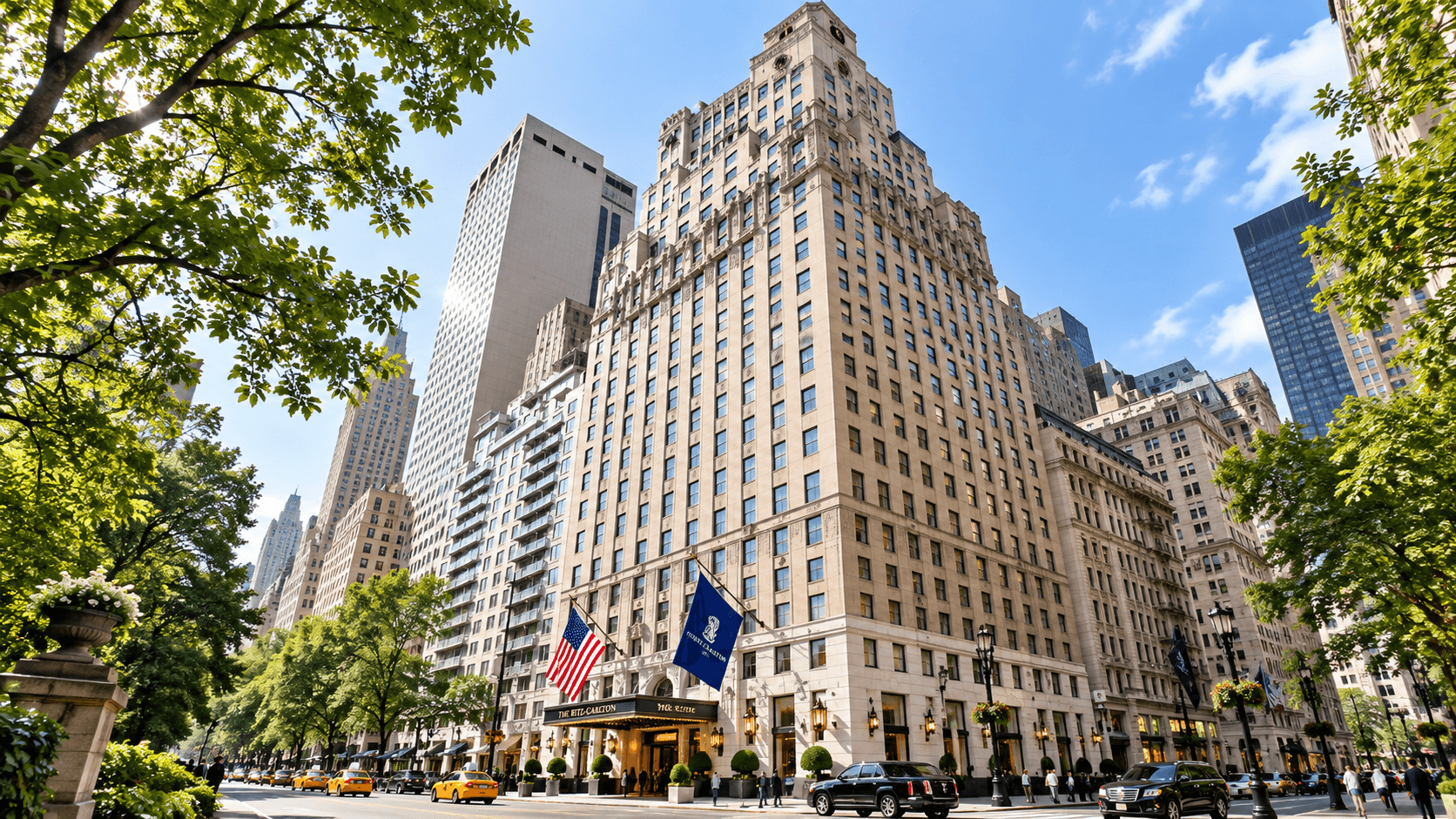
When a guest checks into The Ritz-Carlton, New York Central Park, the staff doesn't just know their name—they know their pillow preference, their preferred floor temperature, and whether they take their coffee with oat milk or almond milk. This isn't magic; it's the result of a reputation management strategy built on what the company calls "memorable guest experiences," and it's generated a 4.8-star rating across 18,000+ reviews.
The Science of Personalization
The Ritz-Carlton's reputation strategy is powered by their proprietary guest preference system, which tracks over 60 data points for each visitor. When a guest mentions they're celebrating an anniversary, the system flags it for future stays. When they request extra towels, housekeeping learns their preference. This data creates a feedback loop: the more guests stay, the better the service becomes, generating more positive reviews, which attract more guests.
The results are measurable. The hotel's guest satisfaction score of 92% is 23 points above the luxury hotel industry average. More importantly, 78% of guests mention "personalized service" in their reviews, compared to just 31% for comparable properties. This personalization has become the hotel's defining reputation attribute.
Empowerment as Strategy
Here's where The Ritz-Carlton's approach gets interesting. Every employee—from the doorman to the general manager—has the authority to spend up to $2,000 per guest to resolve an issue or create a memorable moment, without needing approval. This empowerment has generated thousands of stories that guests share online: the concierge who tracked down a child's lost stuffed animal and had it delivered with a custom storybook, the housekeeper who noticed a guest's birthday and arranged for a surprise cake.
These stories aren't just feel-good moments—they're reputation assets. User-generated content mentioning "exceptional service" generates 4.7x more engagement than branded content. The hotel's social media team amplifies these stories, creating a self-reinforcing cycle of positive reputation.
The Business Impact
This reputation-first approach has driven significant financial results. The Ritz-Carlton, New York generates an estimated $85 million annually with a 94% occupancy rate—remarkable for a property in one of the world's most competitive markets. Direct bookings account for 67% of reservations, saving the hotel an estimated $4.2 million annually in commission fees.
More importantly, the hotel's reputation has created pricing power. Despite average nightly rates of $895 (23% above comparable properties), the hotel maintains higher occupancy than competitors. The Ritz-Carlton Rewards program has 127,000 members who generate 58% of the hotel's revenue.
Lessons for Your Business
The Ritz-Carlton proves that reputation management isn't about grand gestures—it's about systematic personalization and employee empowerment. When you give your team the tools and authority to create memorable moments, you don't just earn good reviews. You build a reputation that commands premium pricing and generates loyalty that transcends price sensitivity.
Location: Fifth Avenue at 56th Street, New York, USA |


0 Comments
Join the conversation
Be the first to comment
Share your thoughts above.