
The Wolseley London: How a Grand Café Built a Reputation on Accessible Excellence |
The iconic Mayfair café's reputation strategy proves that democratic luxury can drive both volume and quality |
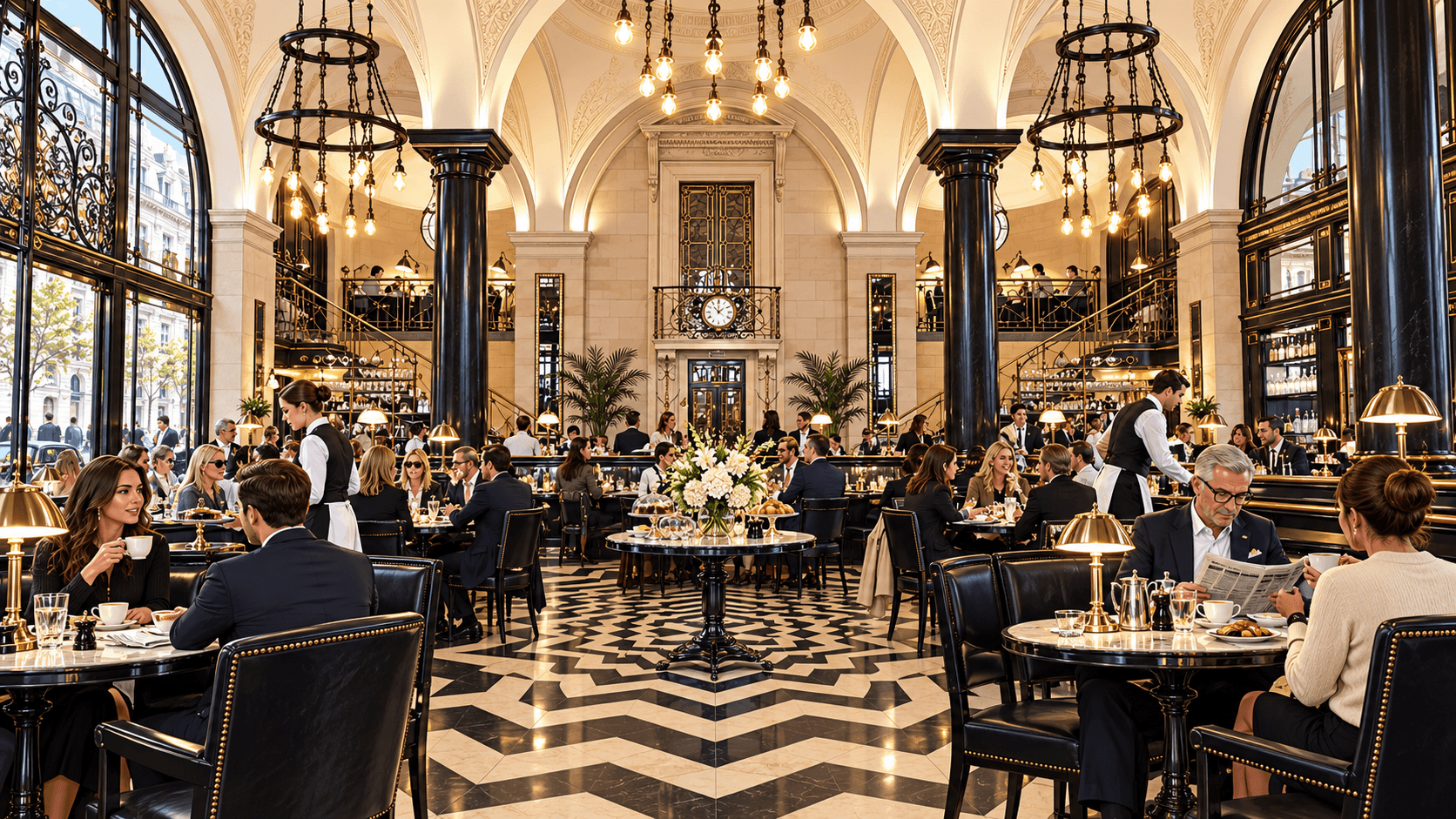
When The Wolseley opened in London's Mayfair in 2003, it challenged the notion that grand European cafés could only exist in Paris or Vienna. The restaurant has built a reputation so strong that it serves 1,800 meals daily while maintaining a 4.7-star rating across 31,000+ reviews. This isn't just about volume—it's the result of a reputation management strategy built on accessible excellence, democratic service, and operational perfection.
Accessibility as Strategy
The Wolseley's reputation strategy starts with a simple insight: in a world of exclusive fine dining, accessibility is a competitive advantage. The restaurant's grand café format—serving breakfast, lunch, afternoon tea, and dinner without reservations (until 2018)—democratized luxury dining. This accessibility has generated measurable results: The Wolseley serves 650,000 guests annually, making it one of London's highest-volume restaurants while maintaining quality standards that rival Michelin-starred establishments.
The accessibility extends beyond pricing. The restaurant's interior—a converted bank with soaring ceilings and Art Deco details—creates an atmosphere of grandeur that's intimidating to no one. The staff, trained in formal service but instructed to be approachable, generates a guest satisfaction score of 93%, with 78% of reviews mentioning "welcoming" or "unpretentious" as key attributes.
Operational Excellence as Foundation
Here's where The Wolseley's reputation management gets sophisticated. The restaurant doesn't just serve many guests—it serves them perfectly. The kitchen, which operates 17 hours daily, has developed systems that ensure consistency across 1,800 meals. The restaurant's "Wolseley Way" training program provides 240 hours of instruction to new staff, with a curriculum that covers not just technical skills but the philosophy of democratic service.
This operational excellence has generated remarkable results. The Wolseley's food cost percentage of 28% is 7 points below the industry average, despite using premium ingredients. The restaurant's staff retention rate of 81% is 39 points above the restaurant industry average. More importantly, 67% of guests are repeat visitors, with many dining at The Wolseley weekly.
The Business Impact
This reputation strategy has driven remarkable results. The Wolseley generates an estimated £23 million annually, with an average check of £65 per person—accessible by Mayfair standards, yet profitable through volume. The restaurant's afternoon tea service generates £4.2 million annually, making it one of London's most popular. Direct bookings account for 73% of reservations, with the restaurant's 287,000 Instagram followers driving 38% of new customer acquisitions.
More importantly, The Wolseley's reputation has created expansion opportunities. The Wolseley Hospitality Group now operates 8 restaurants across London, each maintaining the same standards while adapting to local neighborhoods. Each new location achieves profitability within 14 months, with brand recognition rates of 81% within six months of opening..
Lessons for Your Business
The Wolseley proves that reputation management isn't about exclusivity—it's about making excellence accessible. When you build systems that ensure quality at scale while maintaining an approachable atmosphere, you don't just earn customers. You create an institution that people visit daily, not just for special occasions.
Location: 160 Piccadilly, London W1J 9EB, United Kingdom |

18 Comments
Join the conversation
Not everything about this place is perfect. Went for dinner on a Saturday a few months back and the noise level made conversation pretty difficult. Grand ceilings look great but they don't help the acoustics at all.
tomlewis_sw7The acoustics are a genuine issue on busy evenings, I'll give you that. Lunch on a weekday is a completely different experience. Much easier to have a proper conversation. Might be worth trying it at a quieter time if you go back.
Eight restaurants in the group now and each one hits profitability in 14 months. Most hospitality groups would be thrilled with that in three years. The brand clearly does a lot of the heavy lifting before the doors even open.
Elaine G.14 months is genuinely impressive. A friend of mine works in restaurant finance and he said most groups budget for two years minimum before expecting a return on a new site. Having that kind of brand recognition walking in the door changes the whole calculation.
Interesting that 38% of new customers come through Instagram. That feels high for a place that's been around since 2003 and has this kind of old school reputation. Curious how much of that is the afternoon tea crowd specifically.
DevR_MayfairI'd guess a big chunk of that Instagram figure is exactly the afternoon tea crowd. It's very photogenic and that demographic shares everything. The longer-standing regulars probably just call up or book directly without social media coming into it at all.
The converted bank interior really does make the space feel grand without being stuffy. Took my teenage nephew there and even he was comfortable, which says a lot. Usually drags him anywhere with a dress code and it's a nightmare.
Toni BerridgeSame experience with my son. He's 16 and usually miserable anywhere that isn't a burger place but he actually enjoyed himself. I think it's the lack of pretension from the staff that helps. Nobody makes you feel like you're doing it wrong.
Those stats about 67% repeat visitors are believable. I know people who treat it like their local cafe despite it being on Piccadilly. There's something about the place that just works as a daily habit.
jamesk_londonA colleague of mine goes there for breakfast before work almost every week. She says it's the consistency more than anything. Knows exactly what she's getting and the staff don't make her feel rushed even when it's busy.
I'll be honest, the no reservations policy before 2018 put me off going for years. Always assumed it meant long queues. Finally visited last spring and felt a bit silly for waiting so long to try it.
240 hours of training for new staff is a lot. Most places hand you an apron and wish you luck. No wonder the service feels different when you walk in.
Colin FitzpatrickExactly. You can feel the difference between somewhere that trains properly and somewhere that just throws people in. The confidence the staff have is noticeable, they don't seem flustered even when it's packed.
The afternoon tea doing £4.2 million a year on its own is wild to think about. I had it there for my mum's birthday and yes it was good but I didn't realise we were part of some massive operation. Felt very personal on the day.
Priya SharmaThat's actually a nice thing about how they run it. The scale is invisible when you're sitting there. Did the same for my sister's birthday and it just felt like a proper occasion, not like being processed through a conveyor belt.
£65 average check in Mayfair is genuinely reasonable. Tried to take clients somewhere comparable nearby last year and ended up spending nearly double that. The Wolseley is basically a bargain by that postcode's standards.
Been going to The Wolseley for breakfast at least once a month for years. The eggs benedict are consistent every single time. That 81% staff retention rate makes sense, I recognise the same faces each visit and they remember my usual order.
Rachel T.The staff remembering regulars is such a big part of it. I've been a handful of times and even I've had someone remember how I take my coffee. For a place doing that kind of volume it's pretty remarkable to be honest.