
Trivia Question❓Which online platform is credited with launching the first major user-generated star rating system for local businesses in 2004, pioneering the modern era of public reputation management? Answer at the bottom of the newsletter |
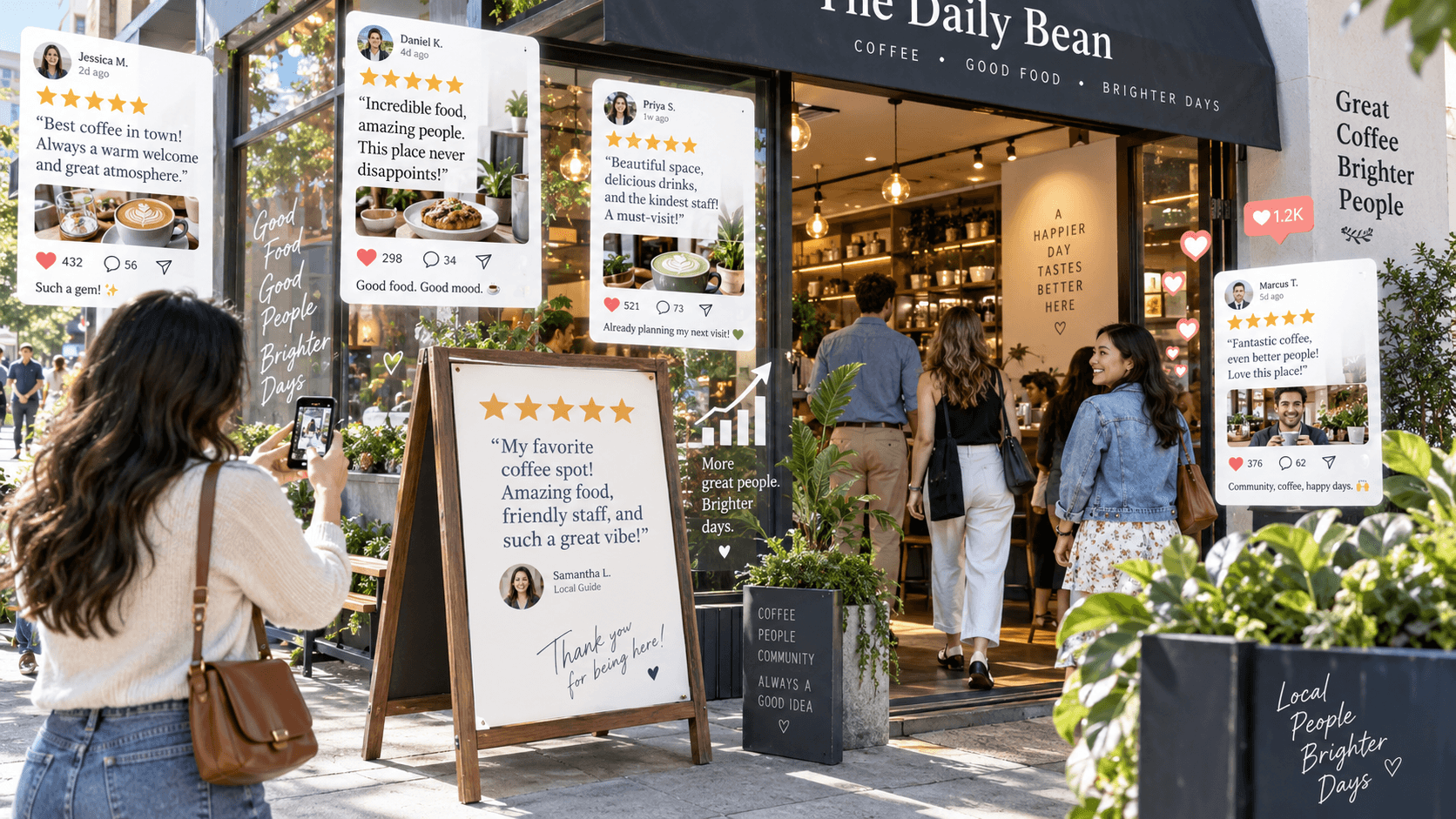
In today's digital landscape, your customers are your most powerful marketing team. Yet most businesses leave their best testimonials gathering dust on review sites instead of leveraging them where it matters most: social media. Read More... |

Interesting Facts |
The world of online reputation is stranger — and more strategic — than most business owners realize.
|

 |
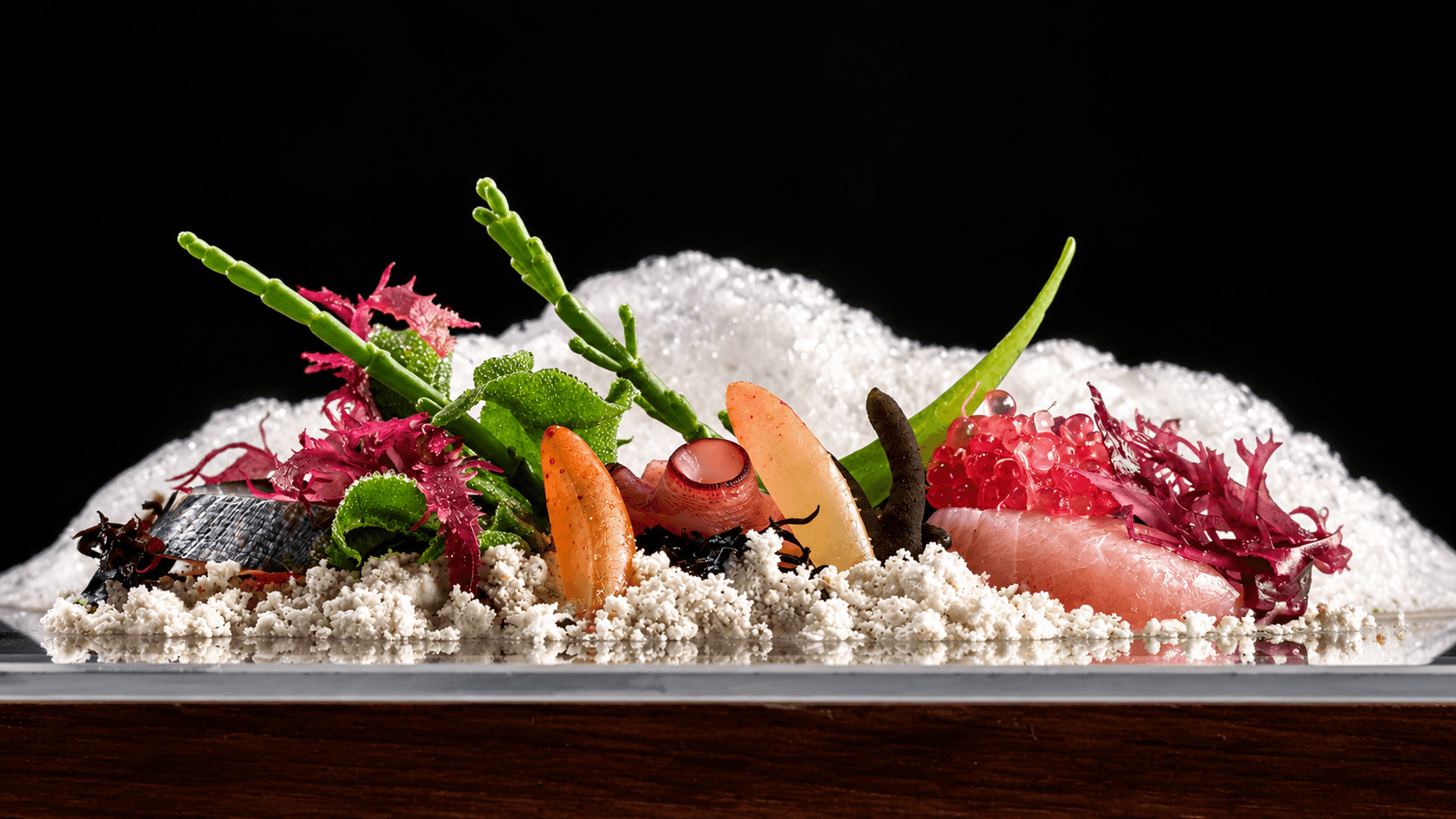
When The Fat Duck first opened in the small village of Bray, England, few could have predicted it would become one of the most influential restaurants in the world. Chef Heston Blumenthal's approach—combining molecular gastronomy with multi-sensory experiences—has built a reputation so strong that diners travel from across the globe for a meal that costs £395 per person. This isn't just about unusual food; it's the result of a reputation management strategy built on scientific rigor and emotional storytelling. Read More... |
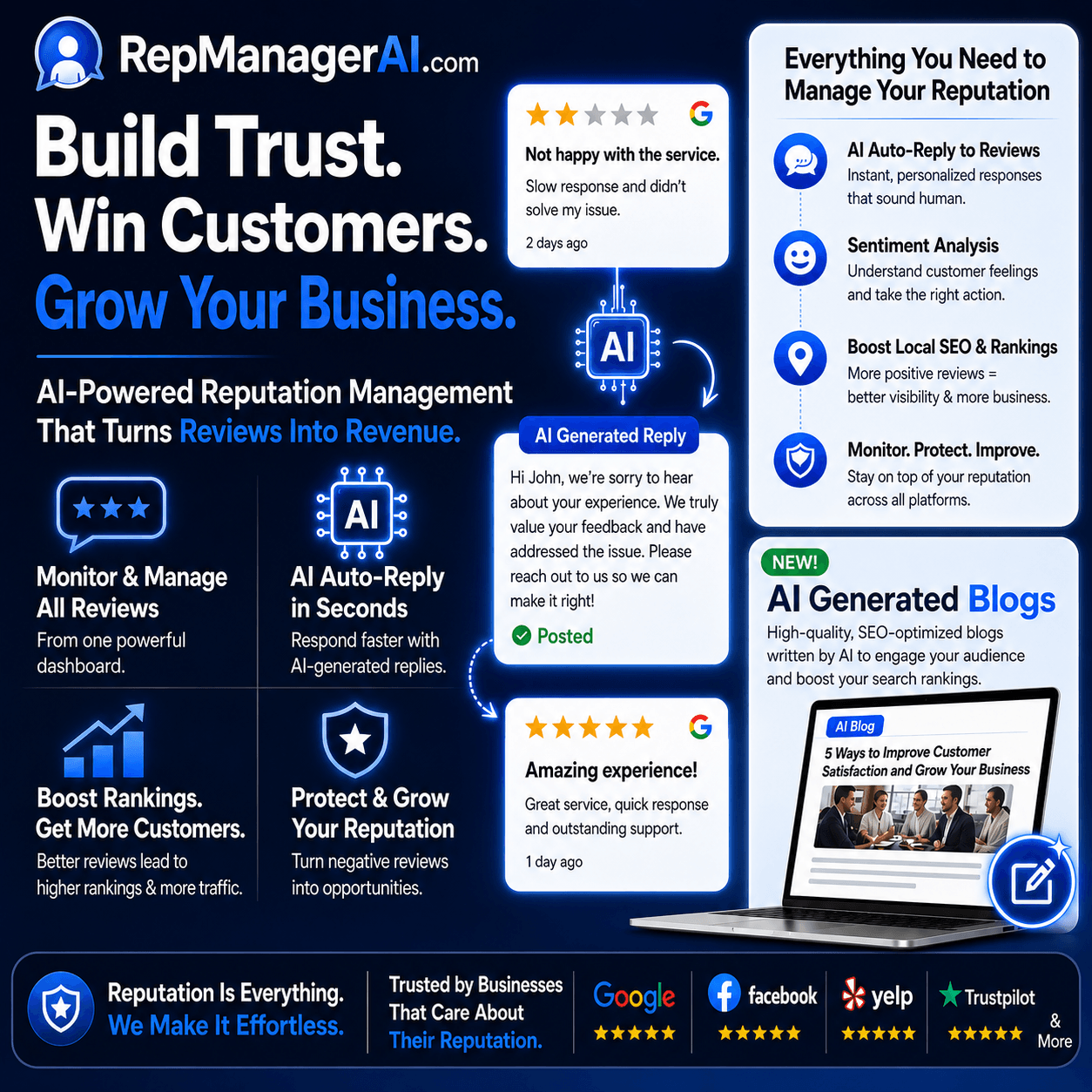
Broad Lantern Media, a digital marketing agency based in Mount Pocono, Pennsylvania, has expanded its services to focus on home service businesses — including HVAC, plumbing, electrical, and roofing companies — across Monroe County and the greater Poconos region.
The agency builds its approach around a straightforward insight: when someone searches for a plumber at 11pm, they choose whoever looks clearest and easiest to find, not necessarily whoever does the best work.
Broad Lantern Media combines local SEO, Google Business Profile optimization, and mobile-first web design to help trades businesses rank higher and convert visitors into booked calls. The agency grew its reputation serving wellness coaches and therapists, and says the trust-building instincts from that work translate directly to home services. |
| Read More... |
Tip of The Day |
Time Your Review Request to the "Pride Moment," Not the Transaction Most businesses ask for a review right after a purchase — but that's often when the customer's emotion is neutral at best. Instead, identify the specific moment when your customer first experiences the real result of what you sold them: the day they wear the outfit to the event, the morning they use the new coffee machine, the week after the consultation when they see early results. That's the pride moment — and it's when positive emotion peaks.
Set a follow-up reminder (in your CRM, your calendar, or even a simple task list) to reach out at that moment rather than immediately post-sale. A message like "It's been a week — how's everything going with [specific result]?" opens a natural conversation. When the customer replies positively, that is your window to ask for a review. You'll find response rates and star ratings both climb because you're catching people while the good feeling is still fresh and vivid, not while the receipt is still printing. |

|
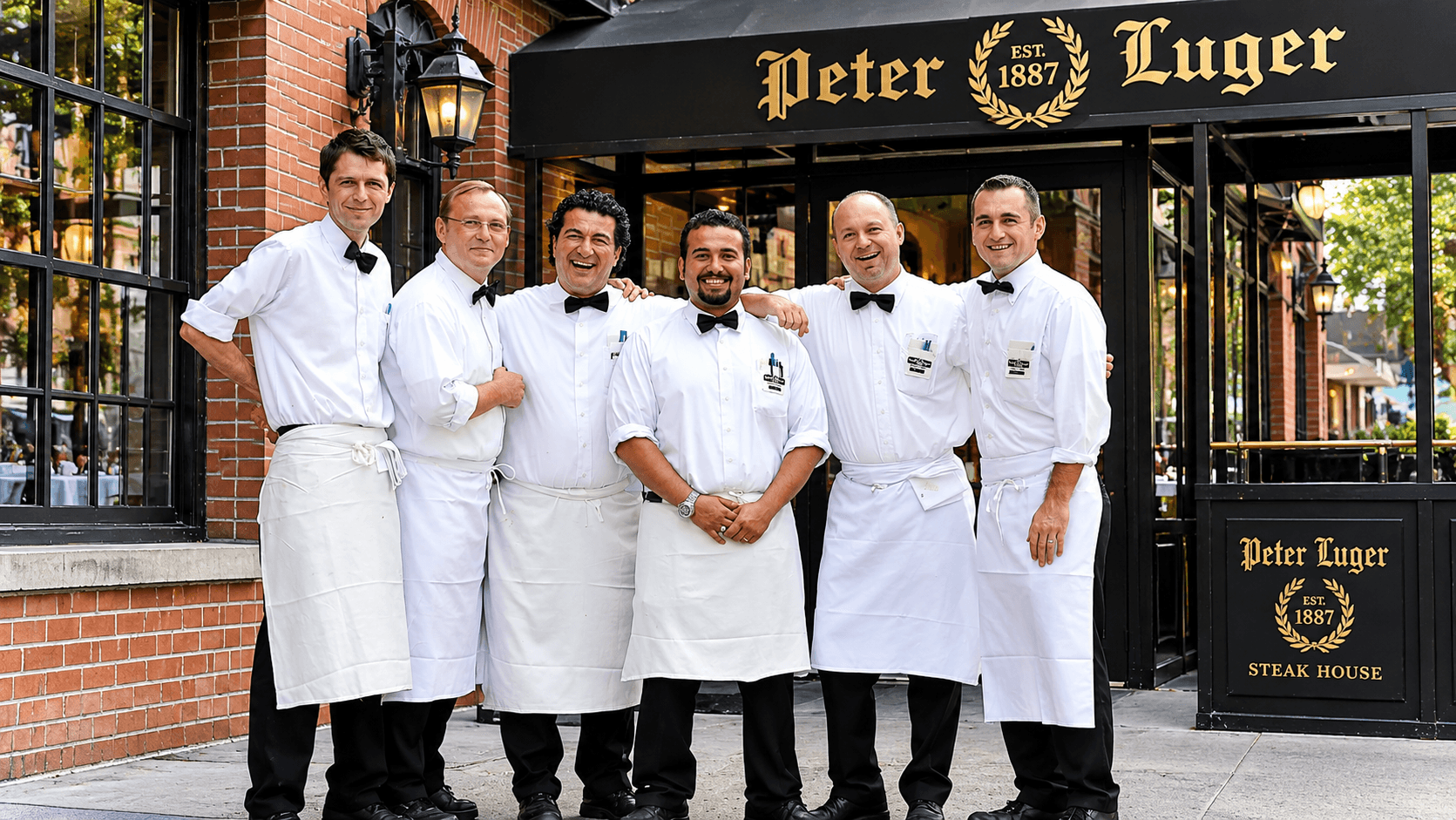
In a city where restaurants open and close with dizzying speed, Peter Luger Steak House has operated continuously since 1887. The Brooklyn institution has built a reputation so strong that it's been named the best steakhouse in New York for 35 consecutive years by Zagat, despite never changing its menu format, refusing reservations (until 2020), and maintaining a cash-only policy for over a century. This isn't stubbornness—it's the result of a reputation built on unwavering consistency and cultural significance. Read More... |

The rules of online visibility are being rewritten. For decades, Search Engine Optimisation (SEO) meant stuffing content with keywords and chasing rankings — but a new discipline is rapidly taking its place.
Answer Engine Optimisation (AEO) is the practice of making content easy for AI platforms — like ChatGPT and Google's AI-powered search — to find, understand, and quote directly in their responses. Instead of earning a link in a results list, brands now compete to become the answer itself.
The shift means rankings give way to relevance, links give way to summaries, and clicks give way to context. Structured content, factual accuracy, and multiformat publishing are the new levers of discoverability.
Businesses that adapt stand to gain higher-quality traffic and lasting brand presence inside AI-generated responses — while those that don't risk disappearing from the next generation of search entirely. |
| Read More... |
💡 Answer to Trivia Question: Yelp |