
Trivia Question❓Which U.S. city, home to Yelp's headquarters, became the epicenter of the modern online review economy when the platform launched there in 2004? Answer at the bottom of the newsletter |
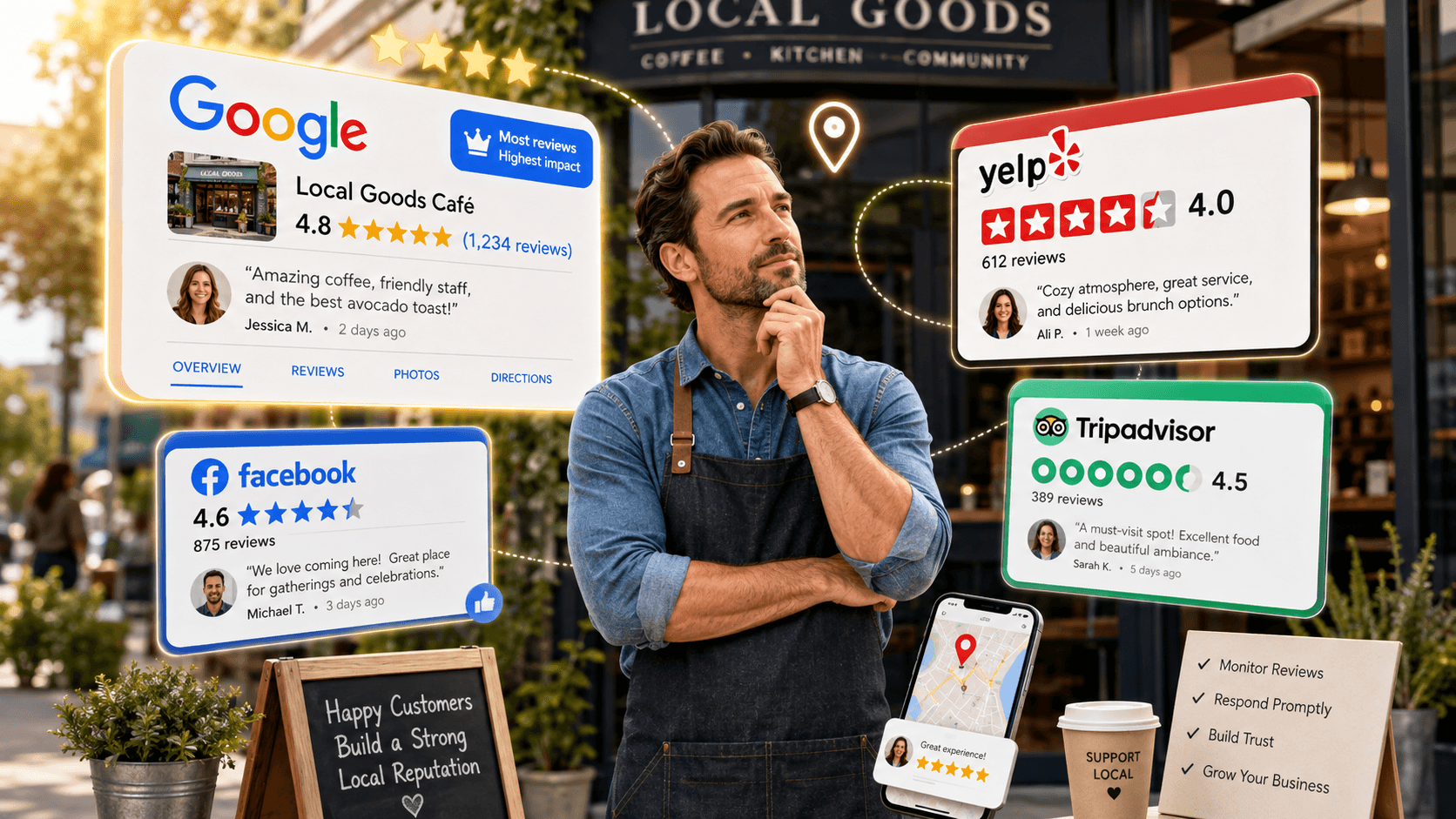
Not all review platforms are created equal. Google dominates with 73% of the review-platform market, but Yelp, Facebook, TripAdvisor, and industry-specific sites each play distinct roles in how consumers research and decide. Read More... |
Interesting Facts |
Most businesses focus on chasing five-star ratings, but the real mechanics of online reputation are far stranger than a simple star count suggests.
|


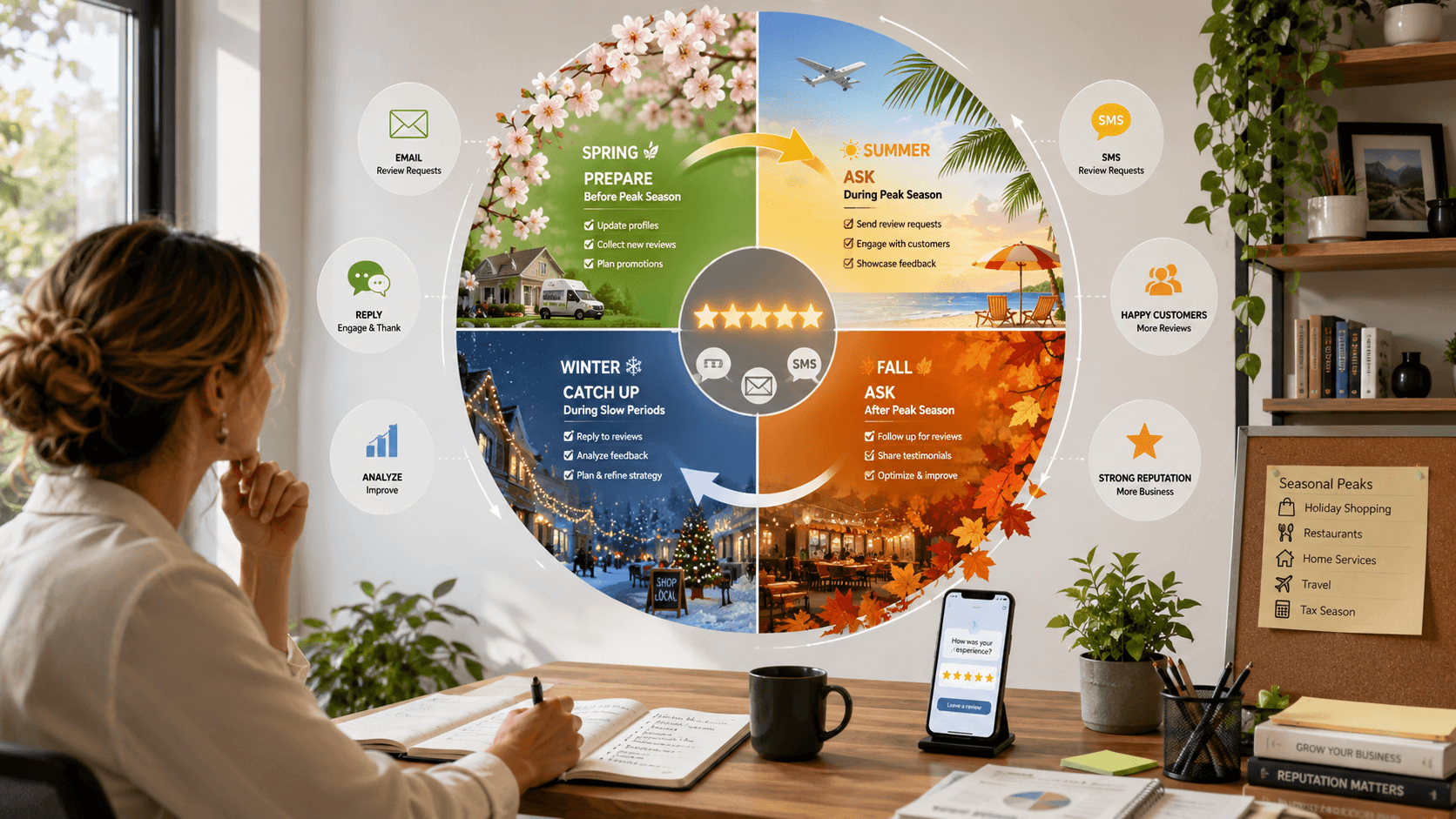
Most businesses treat review generation like it's the same every month. But review volume follows your business cycle — and if you're not adjusting your strategy seasonally, you're leaving reviews (and revenue) on the table.
Here's how to think about reviews as a seasonal operation, not a static one. Read More... |


Tip of The Day |
Turn Your Invoice Into a Review Opportunity
Most businesses beg for reviews weeks after a job is done, when the excitement has faded. Instead, embed your review request directly into the payment confirmation or invoice email — right when the customer is feeling the satisfaction of a completed transaction and has their inbox open anyway. Add a single line like: "Thrilled with the results? It would mean the world to us if you shared your experience." followed by your review platform name (Google, Yelp, etc.).
The psychology here is simple: satisfaction peaks at the moment of resolution — when the bill is paid and the problem is solved. That's your golden window. Businesses that ask at this exact touchpoint consistently see 2–3x higher review response rates than those who send a separate follow-up days later. Audit your invoicing tool today and add that one line before your next job closes. |

Here's a stat that should make you rethink your website's homepage: customer reviews can increase revenue by up to 62%, and trust badges placed near checkout can raise conversion rates by up to 42%. But here's the problem: only 23.2% of marketers currently include social proof on their landing pages. That means most businesses are leaving one of their most powerful conversion tools sitting on Google or Yelp instead of putting it to work on their own site. Read More... |
💡 Answer to Trivia Question: San Francisco |