Blue Bottle Coffee: The Small Oakland Café That Redefined How America Drinks Espresso |
From a mobile cart to a global specialty coffee movement — and the hard lesson that comes with rapid growth |
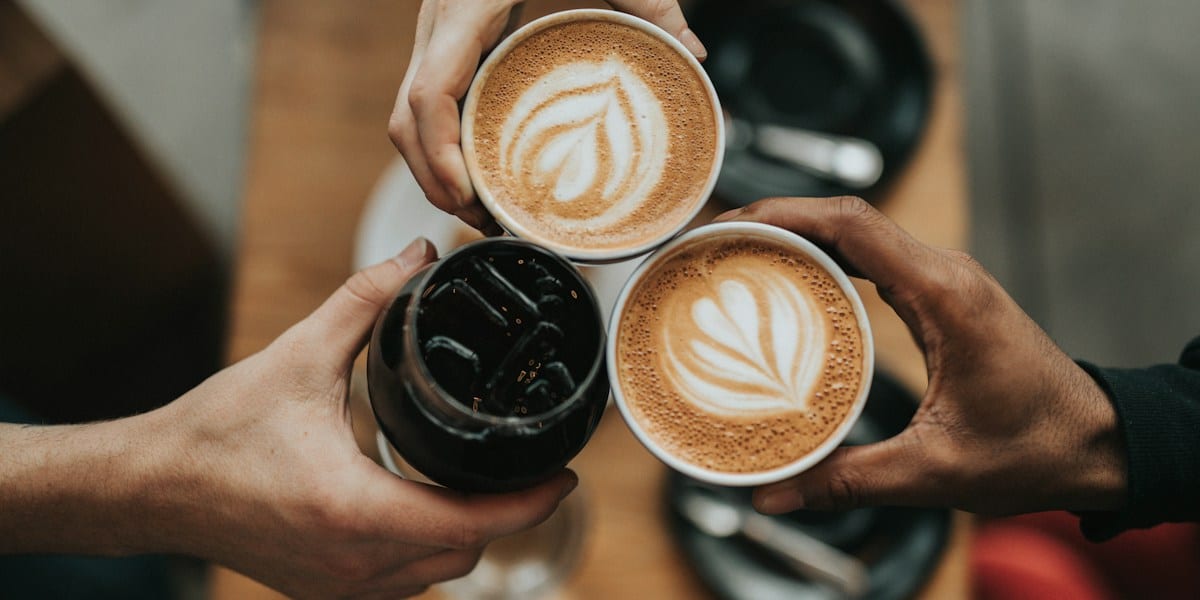
The American coffee landscape looked very different in 2002 when Jason Straw, a young barista working in Berkeley cafes, decided to sell coffee out of a bicycle trailer parked outside the Temescal farmers market in Oakland, California. What began as a side project and weekend hobby soon grew into one of the most influential specialty coffee companies in United States history. Today, Blue Bottle Coffee operates nearly thirty locations across North America and Asia, having been acquired by Nestlé for approximately $500 million — but the story of how it got there offers important lessons for any independent business that wants to grow without losing its identity.
The Farmers Market Origin Story
Blue Bottle started life literally on wheels. Jason Straw loaded his freshly roasted coffee into a custom-built bicycle trailer, set up at the Temescal Saturday Market in Oakland's Temescal neighbourhood, and sold cups of pour-over coffee to passers-by. The concept was radical for its time: take your time, hand-pour each cup, serve only what you can make perfectly, close when supplies run out.
This philosophy of slowness in an era of instant everything became Blue Bottle's defining characteristic. Straw would roast small batches of single-origin beans, grind each order by hand, and pour water over the grounds for approximately three minutes. No espresso machines pumping out dozens of drinks simultaneously. No microwave reheating. Just one excellent cup at a time. Customers waited — and they told other people about it.
The farmers market approach meant that Blue Bottle had direct contact with every single customer. Feedback came instantly. Complaints were heard face-to-face. Compliments were received personally. This tight feedback loop allowed Straw to refine recipes, adjust blends, and improve service rapidly. By the time Blue Bottle opened its first brick-and-mortar café — the original Space address at 480 9th St, Oakland, CA 94607 — the brand had built organic credibility among San Francisco's most discerning coffee drinkers.
Blue Bottle's headquarters and flagship café is at 375 Harrison Street, Oakland, California 94610. You can find their full menu and locate nearest café at their official website.
The First Brick-and-Mortar Café
The transition from mobile cart to permanent space happened organically. Demand exceeded what the bicycle trailer could reasonably deliver. Regular customers asked why the operation couldn't be permanent. Investors took interest after seeing queues form around block corners on weekends. With support from early backers, Straw secured the Harrison Street location and hired a small team of baristas who shared his obsession with quality.
The café design reflected the brand's values: clean lines, minimal décor, light-coloured wood surfaces, stainless steel brewing equipment displayed openly, and a colour palette dominated by white and grey punctuated by the deep brown of coffee. It felt more like a laboratory than a traditional coffee shop, which was intentional — the emphasis was on precision, reproducibility, and scientific understanding of extraction variables.
Expanding to New York and Beyond
New York City entered the picture in 2010 when Blue Bottle opened its Williamsburg location in Brooklyn. The Manhattan Meatpacking District location followed in 2012. Each opening received intense media coverage — magazines and newspapers wrote about Blue Bottle enthusiastically, generating free press far exceeding what advertising budgets could achieve. Critics praised the consistency, the aesthetics, the dedication to craft, and the refusal to compromise on brew times regardless of queue length.
Expansion continued methodically. Locations opened in San Francisco (SoMa), Los Angeles (Arts District), Chicago (Wicker Park), Tokyo (Omotesando), Shanghai, and Seoul. Tokyo became particularly important: Japan has one of the world's most sophisticated coffee cultures, and Blue Bottle's success there validated the brand on an international stage. The Omotesando location, designed by prominent architects, drew tourists as much as regular customers.
The Nestlé Acquisition
In 2017, Nestlé acquired Blue Bottle for roughly $500 million. The acquisition raised eyebrows among specialty coffee purists who feared corporate ownership would lead to quality decline. For a small business owner reading this: the acquisition proves that a craft business built on genuine quality can attract serious capital interest. Nestlé committed to operating Blue Bottle as an independent brand, maintaining separate roasting facilities, and allowing founder Jason Straw to continue shaping strategy.
However, the post-acquisition period revealed challenges unique to scaling a brand built on deliberately slow service. As location numbers climbed past twenty, some customers noticed subtle shifts: slightly faster pouring to manage volume, pre-ground options appearing in select locations, and variations in quality between offices that simply could not maintain the obsessive standards of the early days. These tensions between accessibility and exclusivity define modern artisan brands.
Reputation Management at Growing Scale
With customers travelling from multiple cities to visit specific Blue Bottle locations, managing reviews and feedback across geographies becomes complex. Different teams in different locations receive different volumes of Google Reviews, Yelp ratings, and social media comments. Consistent response protocols become essential.
Small businesses that dream of scaling while maintaining quality standards should note that reputation management tools — like those offered by automated reputation marketing solutions — help maintain voice consistency and timely responses even when customer feedback arrives from dozens of different channels. A complaint in one city should be answered with the same empathy and professionalism as one in another city.
Lessons for Independent Entrepreneurs
Current State and Outlook
As of 2026, Blue Bottle Coffee maintains its roster of cafés across the United States and Asia. The company continues to release seasonal single-origin offerings, collaborate with regional roasters for exclusive blends, and push forward in areas like sustainable sourcing practices and supply chain transparency. Despite the changes that inevitably accompany growth, Blue Bottle has largely preserved the DNA that made it special: exceptional beans, careful preparation, and service that makes customers feel like they are part of something genuine.
The bicycle-trailer origin remains part of Blue Bottle's official brand narrative, shared willingly by current employees and featured in press materials. For an entrepreneurial small business, the most valuable asset you can build is an origin story that customers want to believe — because authenticity generates trust, trust drives loyalty, and loyalty creates word-of-mouth promotion that money cannot buy.
|
0 Comments
Join the conversation
Be the first to comment
Share your thoughts above.